When Marcus, a 42-year-old entrepreneur from Portugal, first inquired about obtaining São Tomé and Príncipe citizenship, he had one primary question: could a foreigner like himself genuinely establish legal citizenship in this small island nation? His journey from initial consultation to passport in hand took eighteen months and involved careful navigation of residency requirements, investment criteria, and administrative processes. This case study examines how Marcus successfully obtained São Tomé citizenship and what his experience reveals about the practical realities for foreign applicants.
Initial Assessment and Eligibility Review
Marcus contacted our team in March 2022 after researching citizenship-by-investment programmes across several African nations. His background included business interests in renewable energy, and he was particularly drawn to São Tomé and Príncipe's emerging economic opportunities in sustainable tourism and agriculture. During the initial consultation, we evaluated his eligibility across several pathways:
- Naturalisation through residency — requiring continuous legal residence for a minimum period
- Investment-based routes — involving economic contribution to approved sectors
- Marriage or descent — not applicable in Marcus's situation
- Special contribution — reserved for individuals offering exceptional value to national development
After reviewing his financial capacity and timeline expectations, we determined that the investment pathway combined with residency would offer the most straightforward route. Marcus had the capital to make a qualifying investment and the flexibility to spend time in São Tomé to satisfy physical presence requirements.
The Investment Phase and Residency Application
Between April and July 2022, Marcus worked with local partners to structure an investment in a small eco-lodge development project on Príncipe Island. The investment threshold at that time required a minimum contribution of $150,000 USD in an approved economic sector, with tourism and agriculture being priority areas. His legal team prepared the necessary documentation:
- Business registration and investment proposal submitted to the Ministry of Planning, Finance and Blue Economy — April 2022
- Provisional approval received with conditions for environmental impact assessment — May 2022
- Full investment approval granted and capital transferred — June 2022
- Temporary residency permit application submitted — July 2022
- Residency permit issued with two-year validity — September 2022
The residency permit was crucial, as São Tomé citizenship law requires applicants to demonstrate genuine connection to the country. Marcus committed to spending at least 90 days per year in São Tomé during his residency period, splitting his time between overseeing his investment and maintaining his European business interests.
Navigating Administrative Requirements
The administrative process presented several challenges typical of smaller nations with developing bureaucratic infrastructure. Document authentication required apostille certification from Portugal, followed by translation into Portuguese by certified translators in São Tomé. Marcus also needed to obtain a police clearance certificate, medical examination results, and proof of financial self-sufficiency. Each document had specific validity periods, requiring careful timing to ensure nothing expired before submission.
Building Genuine Ties and Cultural Integration
Beyond the legal requirements, Marcus understood that demonstrating genuine integration would strengthen his citizenship application. During his residency period from September 2022 through mid-2023, he took several steps to establish authentic connections:
He enrolled in Portuguese language classes focused on São Toméan expressions and Forro creole basics, recognising that while he spoke European Portuguese fluently, local linguistic nuances differed significantly. Marcus also engaged with local business associations, attended cultural festivals, and employed São Toméan staff at his eco-lodge project. These actions weren't merely strategic — they reflected his genuine interest in becoming part of the community rather than simply holding a passport.
"I quickly realised that citizenship isn't just paperwork. The immigration officials wanted to see that I understood São Tomé's culture, contributed to its economy, and intended to maintain a real relationship with the country. My investment was important, but my engagement with local communities mattered just as much."
By mid-2023, Marcus had accumulated sufficient physical presence days and could demonstrate ongoing business operations that employed twelve local workers. His legal advisors determined he was ready to proceed with the formal citizenship application.
The Citizenship Application Process
In August 2023, Marcus submitted his naturalisation application to the Ministry of Justice and Human Rights. The application package included:
- Completed application forms — with detailed personal history and reasons for seeking citizenship
- Proof of legal residency — including entry/exit stamps demonstrating physical presence
- Investment documentation — showing ongoing business operations and economic contribution
- Character references — from both São Toméan business partners and international contacts
- Language proficiency evidence — certificate from a recognised Portuguese language institution
- Integration evidence — photographs, community involvement letters, and cultural participation records
The processing time for citizenship applications varies considerably depending on application volume and the complexity of individual cases. Marcus's application benefited from being straightforward — he had no criminal record, clear source of funds, and demonstrable ties to the country. The review process took approximately five months, during which officials conducted background checks and verified his investment claims.
Interview and Final Approval
In November 2023, Marcus was invited to an interview with immigration officials in São Tomé. The interview covered his motivations for seeking citizenship, his understanding of São Toméan history and culture, his business plans, and his intentions for maintaining presence in the country. He was asked about his knowledge of the Constitution, national symbols, and current political structure. The interview lasted approximately 90 minutes and was conducted primarily in Portuguese.
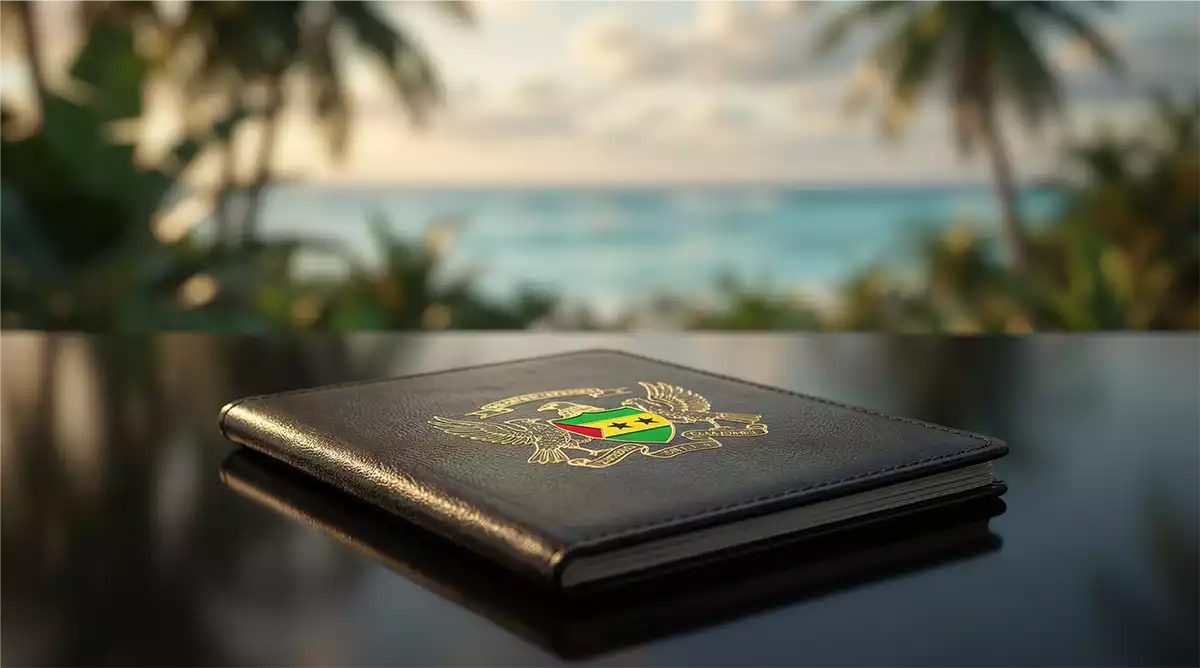
Following the interview, Marcus received provisional approval in December 2023, subject to final ministerial sign-off. The formal citizenship decree was issued in January 2024, and he took the oath of citizenship in a small ceremony at the Ministry offices. His São Tomé and Príncipe passport was issued three weeks later in February 2024.
Outcome and Practical Considerations
Marcus's total timeline from initial inquiry to passport receipt was eighteen months — relatively efficient for a naturalisation process. His total investment exceeded $180,000 when including the business investment, legal fees, residency costs, and travel expenses. The ongoing obligation includes maintaining his business investment for a minimum of five years and visiting São Tomé periodically to retain genuine ties.
The São Tomé passport provides visa-free or visa-on-arrival access to approximately 60 countries, primarily within Africa and some other regions. While not as powerful as European passports for travel purposes, it offers Marcus strategic advantages for his African business expansion and serves as a backup citizenship for his family's long-term planning.
Several factors contributed to Marcus's success. His Portuguese language skills eliminated a significant barrier that English or French speakers might face. His willingness to make a substantial economic investment and spend meaningful time in the country demonstrated commitment beyond mere passport acquisition. His clean background and transparent financial documentation expedited the vetting process.
For foreigners considering São Tomé citizenship, Marcus's case illustrates that the answer to "can a foreigner get citizenship?" is definitively yes — but it requires genuine investment of both capital and time, patience with administrative processes, and authentic engagement with the country and its people. If you're exploring citizenship options in São Tomé and Príncipe and want to understand how the process might apply to your specific circumstances, we invite you to contact our team for a confidential consultation tailored to your situation.